

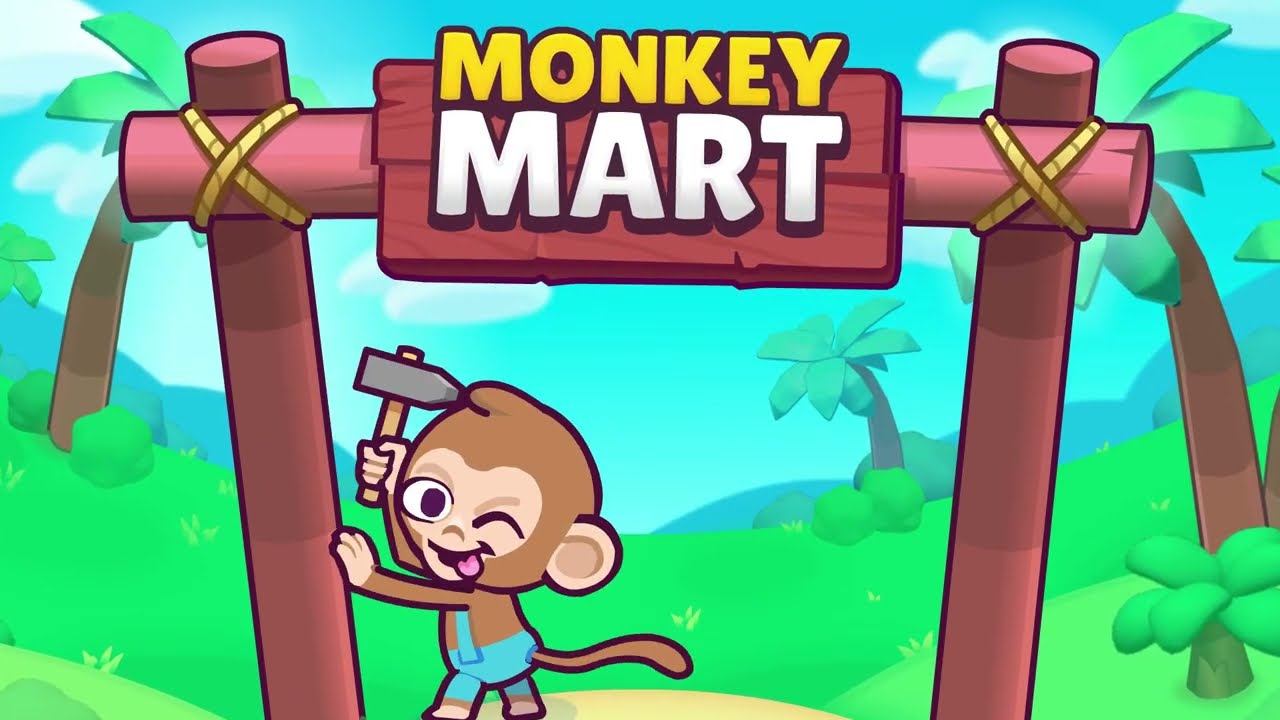

A Simian Sim That’s Surprisingly Addictive
Then look no further than Monkey Mart, a delightfully simple yet incredibly engaging browser game... View more
Organizer:
- Organized by
-
-

Dress to Impress Fashion Icon: Master Outfit Coordination and Modern Style
-
Dress to Impress Fashion Icon: Master Outfit Coordination and Modern Style
Fashion is an opportunity to express creativity, personality, and confidence through clothing. A well-designed outfit can communicate a particular mood, reflect a personal aesthetic, and leave a lasting impression. In fashion styling games, these choices become even more interesting because players must combine available clothing, hairstyles, footwear, and accessories to create a complete look.
The concept of dress to impress fashion icon is about developing an appearance that feels polished, recognizable, and appropriate for a particular theme. Achieving this does not necessarily require the most elaborate clothing or the largest collection of accessories. Instead, successful styling depends on thoughtful decisions, visual balance, and an understanding of how different elements complement one another.
Discover What Defines a Fashion Icon
A fashion icon is recognized for having a distinctive approach to style. Their appearance often reflects a consistent aesthetic, but that does not mean every outfit must look the same.
Some styles emphasize elegance and simplicity, while others focus on bold colors, dramatic silhouettes, or unusual combinations. Each approach can be effective when the individual elements support a clear idea.
In a styling game, developing your own interpretation of a fashion icon begins with identifying the qualities you want your character to express.
You might prefer modern sophistication, vintage glamour, casual streetwear, or creative runway-inspired clothing. Understanding these preferences helps you make more deliberate choices when building an outfit.
Analyze the Theme Before Styling
Every fashion challenge begins with a concept, and understanding that concept should come before selecting individual items.
A formal occasion may require refined clothing and coordinated accessories. A casual theme might encourage relaxed silhouettes, comfortable-looking footwear, and simple combinations. A retro challenge may call for shapes, colors, and details inspired by an earlier fashion era.
Read the theme carefully and identify its main characteristics.
Think about the setting, mood, and overall appearance that would make sense for the challenge. Then use those observations to guide your clothing choices.
This approach reduces random decisions and helps ensure that the final outfit communicates the intended style.
Develop a Coordinated Color Scheme
Color is one of the strongest tools for creating a visually appealing outfit.
A coordinated palette can make even simple clothing look intentional. In contrast, too many unrelated colors can make the design feel confusing.
Start by choosing a main color and one or two complementary shades. Neutral colors such as black, white, beige, and gray can provide a flexible foundation. Pastel shades may create a softer impression, while deeper colors can add sophistication or drama.
You can also use a contrasting color to draw attention to one part of the outfit.
The important point is to understand how the colors interact. They do not need to match perfectly, but they should contribute to the same overall impression.
Build the Outfit Around a Strong Foundation
The main clothing pieces establish the structure of an outfit.
A tailored jacket and trousers can communicate a different style from a flowing dress or a layered combination of casual clothing. The right foundation depends on the theme and the impression you want to create.
Choose the main pieces first, then evaluate their shape, color, and relationship to one another.
Avoid adding accessories before you understand how the basic outfit looks. Starting with a strong foundation makes it easier to identify what the design actually needs.
A carefully selected combination of a few clothing pieces can often look more effective than an outfit filled with competing details.
Understand Silhouette and Proportion
Silhouette refers to the overall shape of an outfit, while proportion describes how different parts relate to each other.
These concepts are essential when creating a balanced look.
For example, a fitted top may complement wide-leg trousers, while a structured jacket can provide contrast against a flowing skirt. Oversized pieces can also work well when their proportions create a deliberate shape.
There is no single correct combination for every style. The objective is to create a relationship between the pieces that supports your chosen aesthetic.
When reviewing a character, consider the entire silhouette rather than judging each item separately. This makes it easier to recognize whether the clothing feels cohesive.
Choose Hairstyles That Strengthen the Look
Hairstyles can influence the character of an outfit as much as clothing does.
Sleek hair may suit a polished formal look, while loose waves can complement a romantic or relaxed appearance. Braids, ponytails, and more distinctive styles can support other fashion directions.
Consider the amount of detail already present in the outfit.
If the clothing contains elaborate patterns or decorative elements, a simpler hairstyle may help maintain balance. If the outfit is minimal, a distinctive hairstyle can provide an interesting focal point.
The goal is to create harmony between the hairstyle and the clothing rather than treating them as separate decisions.
Use Accessories Strategically
Accessories can complete an outfit by adding detail, contrast, or personality.
Jewelry, handbags, belts, glasses, and hair accessories can all contribute to the final impression. However, selecting too many items may make the outfit feel crowded.
Choose accessories according to their purpose.
A delicate necklace might support a sophisticated appearance, while a bold handbag could add character to a simple combination. Larger accessories may work well when the theme calls for a dramatic result.
After adding each item, consider whether it improves the design. If an accessory competes with the main clothing piece without contributing anything useful, removing it may produce a stronger result.
Match Footwear to the Overall Style
Footwear is an important part of a complete fashion presentation.
Heels may complement formal clothing, sneakers can support casual outfits, and boots can create a stronger or more dramatic impression.
Consider how the footwear relates to the outfit’s colors, silhouette, and intended mood.
For example, elegant shoes may reinforce a refined appearance, while casual footwear could make a formal-looking combination feel inconsistent unless that contrast is intentional.
Paying attention to footwear helps make the entire outfit feel more complete.
Create a Clear Visual Focal Point
Many successful outfits have one element that attracts attention first.
The focal point could be a distinctive dress, an unusual jacket, an interesting hairstyle, or a statement accessory.
Once you identify this element, arrange the remaining pieces so that they support rather than compete with it.
If the main clothing item is already dramatic, simpler accessories may provide the necessary balance. If the outfit is understated, a distinctive detail can introduce more personality.
This principle helps create a clear visual hierarchy and makes the overall design easier to appreciate.
Adapt Your Style to Different Challenges
A recognizable personal aesthetic should not prevent you from experimenting.
The same styling approach may need adjustments when the theme changes. A vintage challenge may require different proportions from a futuristic theme, while a professional look may favor cleaner lines than a fantasy-inspired outfit.
Rather than abandoning your preferences, identify which elements can be adapted.
You might retain a favorite color palette while changing the clothing shape, hairstyle, or accessories. This allows you to maintain a personal identity while responding to the challenge.
Flexibility is an important part of creative styling because it encourages new combinations instead of repeating one formula.
Avoid Common Styling Problems
Several mistakes can weaken an otherwise promising outfit.
Using too many colors may reduce visual consistency. Combining multiple statement pieces can create competition for attention. Ignoring the theme can also make a well-coordinated outfit feel unsuitable.
Before finishing, review the complete look.
Check whether the colors work together, the proportions feel balanced, and the hairstyle and footwear complement the clothing. Consider whether each accessory has a clear purpose.
Small adjustments can often improve the overall result without requiring a complete redesign.
Learn Through Experimentation
Improving your styling skills requires observation and practice.
Try creating different versions of an outfit by changing one element at a time. You could compare two hairstyles, experiment with alternative footwear, or remove an accessory to see how the overall impression changes.
This method helps you understand which decisions have the greatest visual impact.
It is also useful to reflect on previous styling challenges. Identify which combinations worked well and consider why they were effective.
Over time, these observations can help you make faster and more confident decisions.
Final Thoughts
The dress to impress fashion icon concept is about more than choosing fashionable items. It involves understanding themes, coordinating colors, balancing proportions, selecting complementary hairstyles, and using accessories with purpose.
A strong outfit begins with a clear direction and a suitable foundation. Every additional element should contribute to the overall design, whether by adding contrast, reinforcing the theme, or creating a memorable focal point.
Experimentation is equally important. Trying different combinations helps you discover personal preferences and understand how small changes influence an outfit.
By approaching styling as a creative process, you can develop a distinctive fashion identity and create looks that feel polished, balanced, and appropriate for different challenges. The most memorable outfits are often those in which every detail works together to communicate one clear idea.
Sorry, there were no replies found.
Log in to reply.